




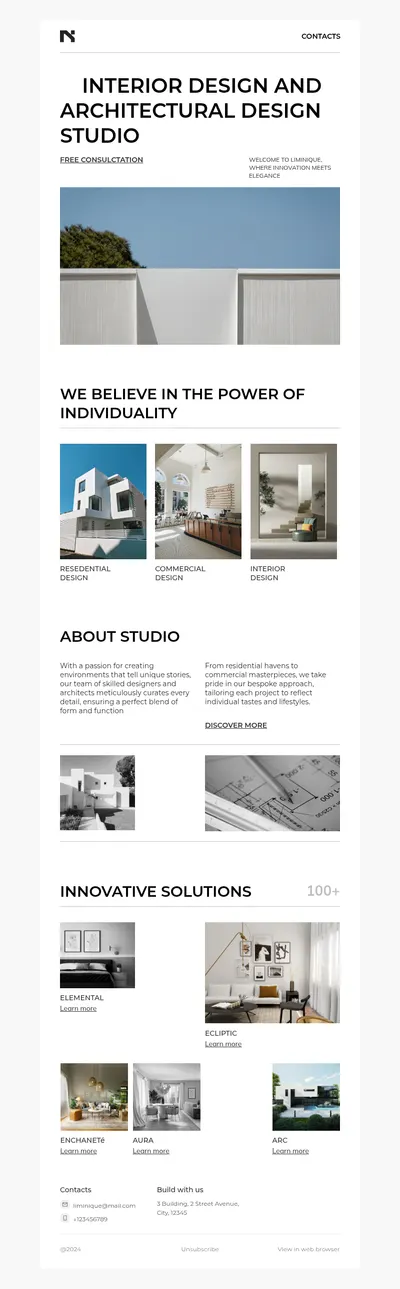

In this article, we'll delve into the world of marketing email templates, exploring their significance, offering advice on crafting compelling copy, and providing insights into their design. We'll also shed light on common mistakes to avoid in the realm of marketing email templates.
The Versatility of Marketing Email Templates
Marketing email templates are versatile tools that can be employed by businesses of all sizes and industries. Whether you're a tech startup, a local bakery, a fashion brand, or a non-profit organization, these templates can become your go-to assets for reaching your target audience effectively. Here's how different businesses can leverage them:
E-commerce Businesses
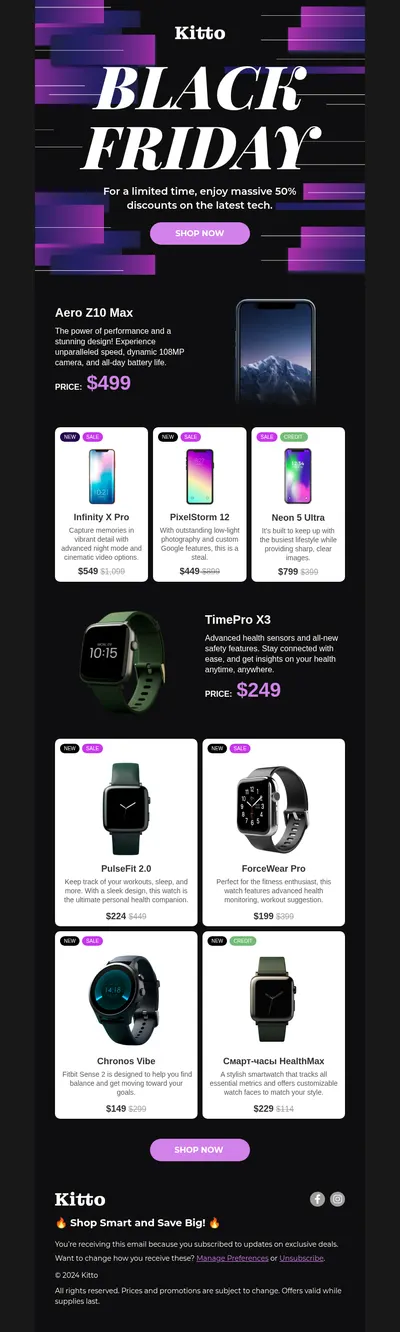
For e-commerce businesses, marketing email templates are the lifeline of customer engagement. These templates can be used for product announcements, flash sales, abandoned cart reminders, and personalized product recommendations. They help foster brand loyalty and drive conversions.
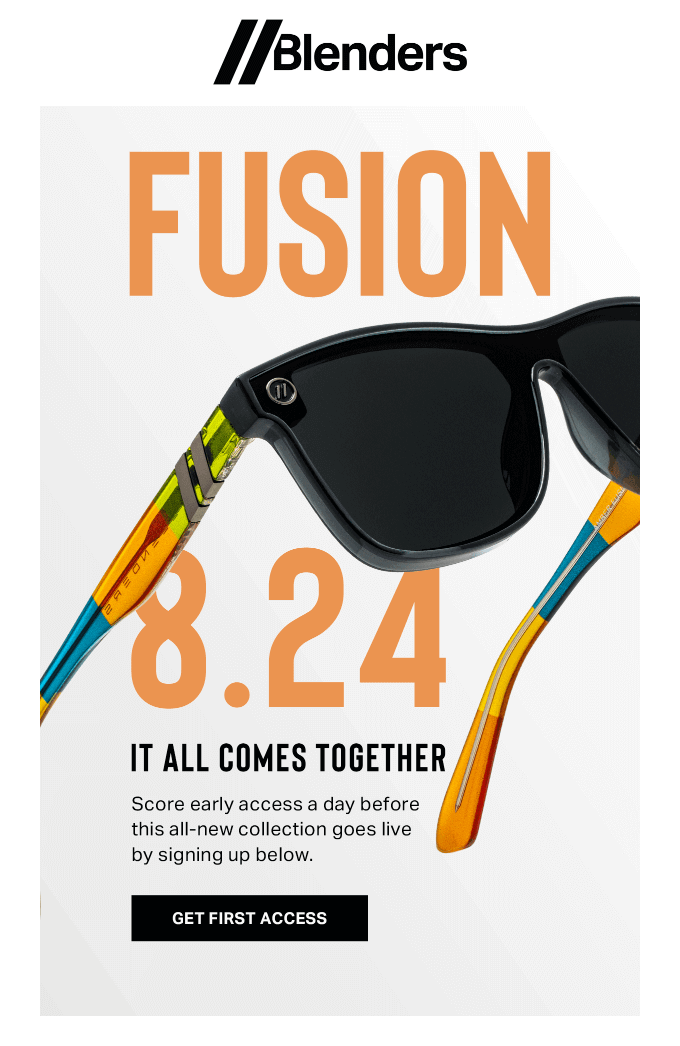
B2B Companies
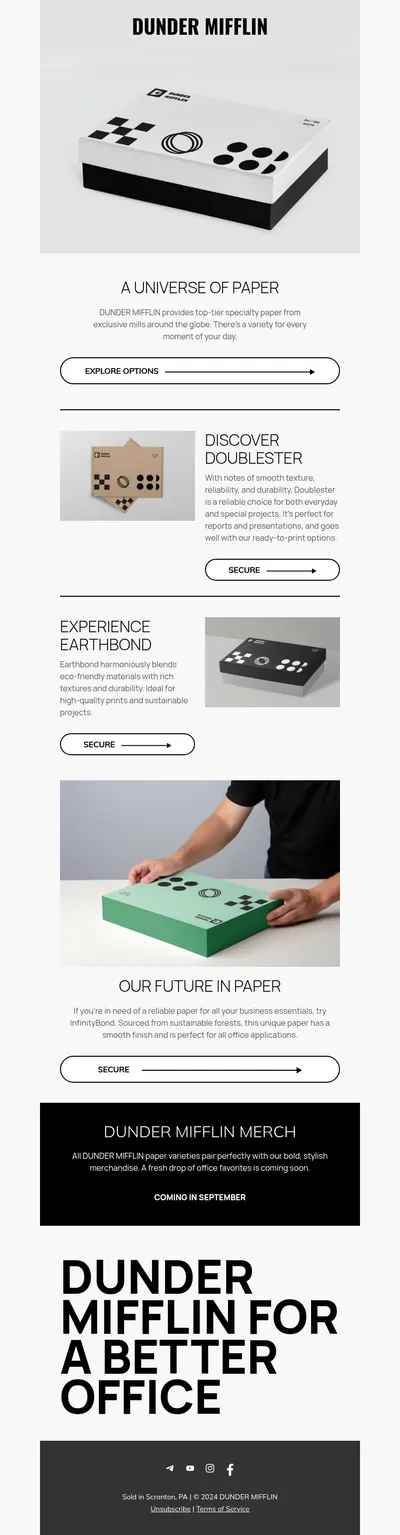
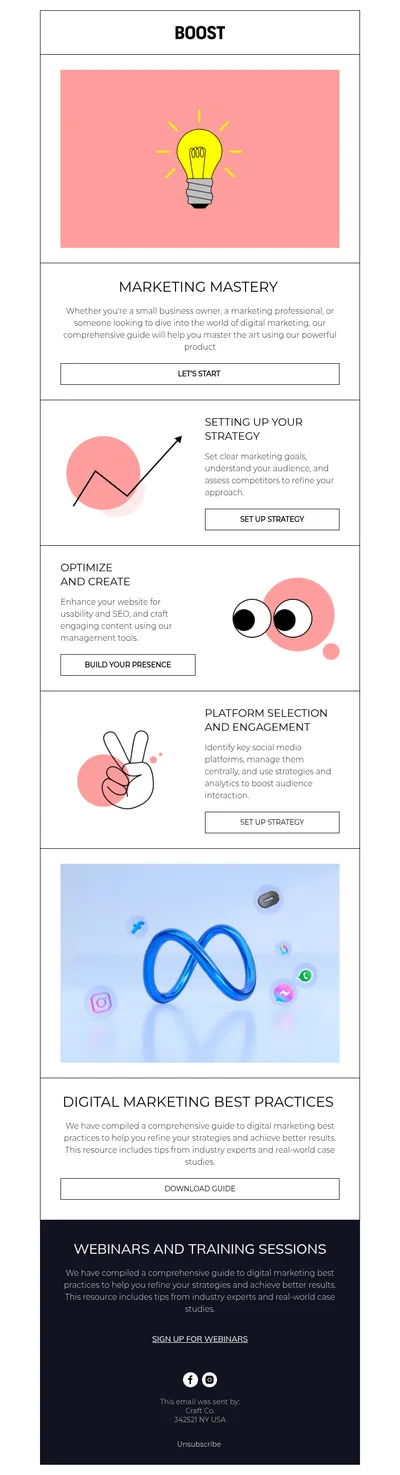
Businesses catering to other businesses can use email templates for lead generation, nurturing, and relationship-building. Templates can be designed for webinars, whitepapers, and case studies to educate and engage potential clients.
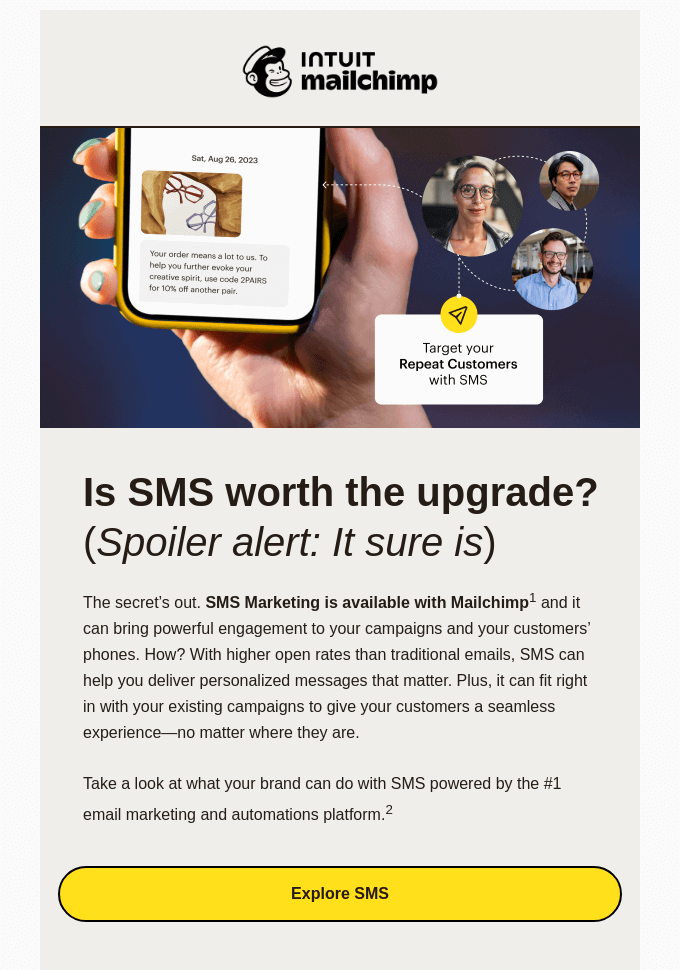
Restaurants and Local Services
Local businesses like restaurants, salons, and fitness centers can employ templates for promoting special offers, events, or loyalty programs. Email templates make it easy to keep customers informed about new menus, discounts, or appointment reminders.
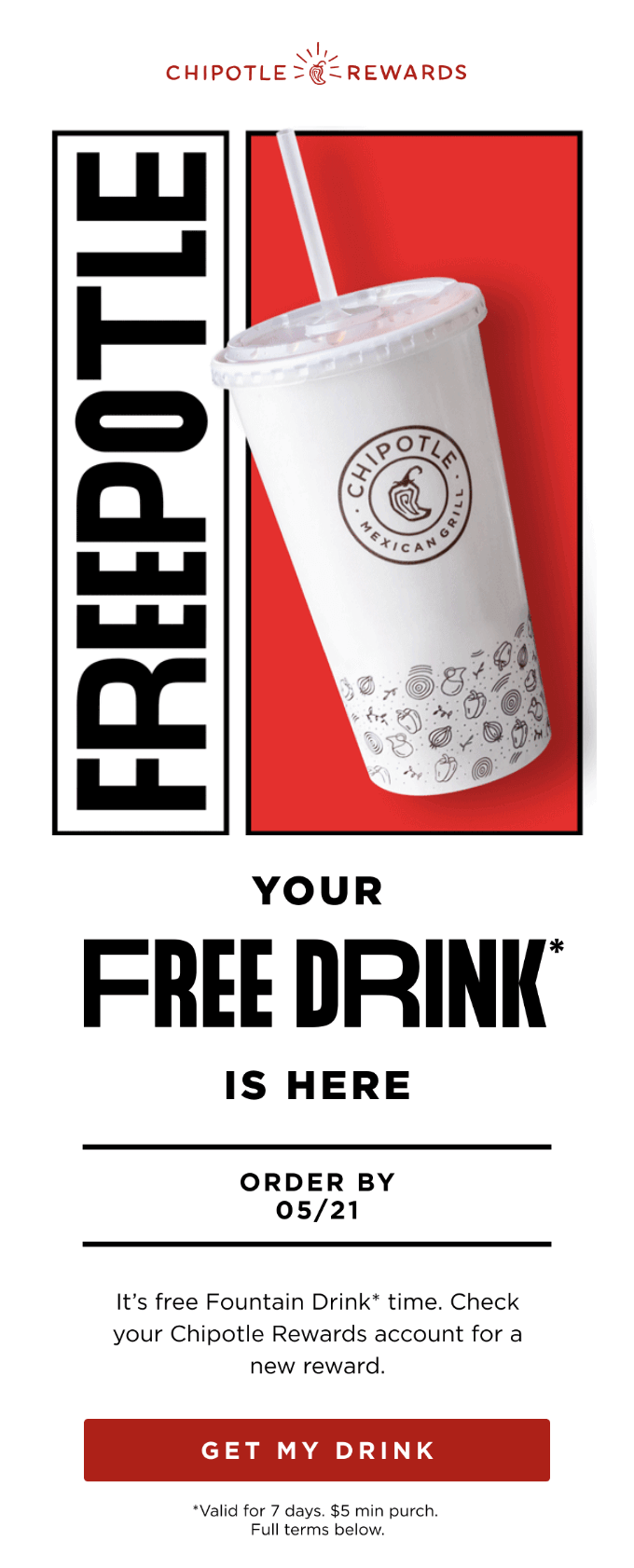
Nonprofits
Nonprofits can use email templates to share their mission, success stories, and donation appeals. These templates help establish a strong connection with supporters and donors, encouraging continued engagement.
Crafting Compelling Copy for Marketing Email Templates
The effectiveness of a marketing email template hinges on the quality of its copy. To ensure your emails resonate with your audience and drive action, consider the following tips:
Know Your Audience
Before you start writing, understand your target audience. What are their pain points, desires, and preferences? Tailor your messaging to address their specific needs and interests.

Write a Captivating Subject Line
The subject line is your first opportunity to grab the recipient's attention. Craft a subject line that is concise, intriguing, and relevant to the email's content. It should pique curiosity without resorting to clickbait tactics.
Personalization Matters
Personalization goes beyond addressing the recipient by their name. Use data to personalize the email's content, such as recommending products based on their previous purchases or referencing their specific interactions with your brand.
Clear and Concise Messaging
Keep your message clear and concise. Avoid long-winded paragraphs or overly complex language. Use short sentences and bullet points to convey information efficiently.

Call to Action (CTA)
Every marketing email should have a clear and compelling CTA. Make it visually distinct, use action-oriented language (e.g., "Shop Now," "Learn More," "Get Started"), and place it prominently within the email.
Engage with Storytelling
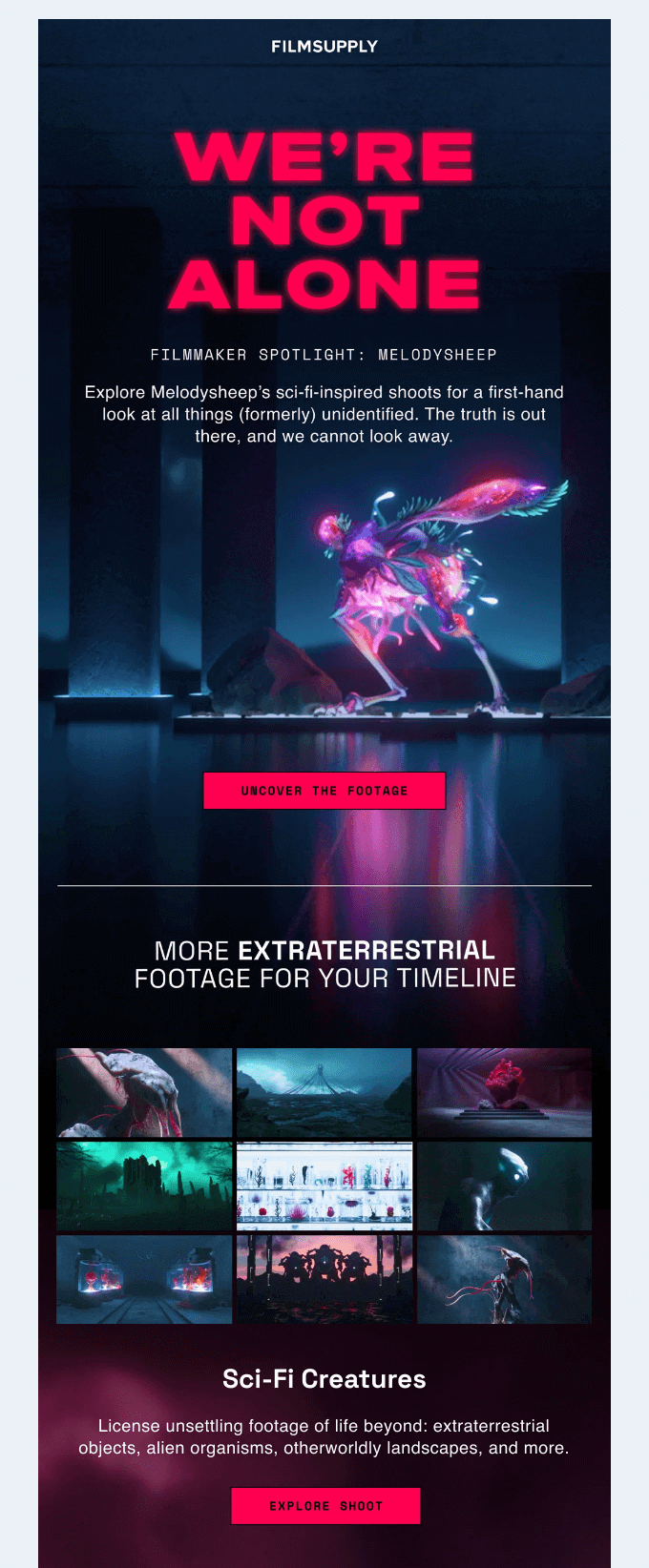
Incorporate storytelling elements into your emails. Share customer success stories, anecdotes, or case studies that connect emotionally with your audience and highlight the value of your product or service.
Designing an Effective Marketing Email Template
The design of your email template plays a pivotal role in capturing and retaining your audience's attention. Here are some design principles to keep in mind:
1. Mobile Responsiveness
Given the prevalence of mobile devices, ensure your email template is mobile-responsive. It should adapt seamlessly to various screen sizes, delivering a consistent user experience.
2. Eye-Catching Visuals
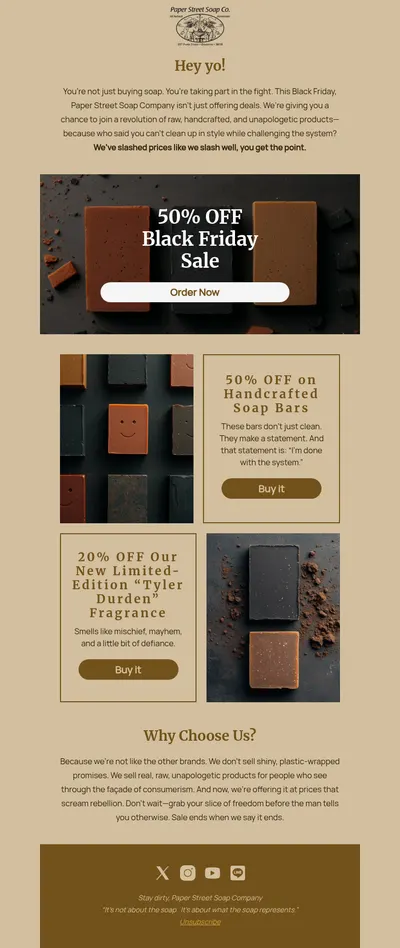
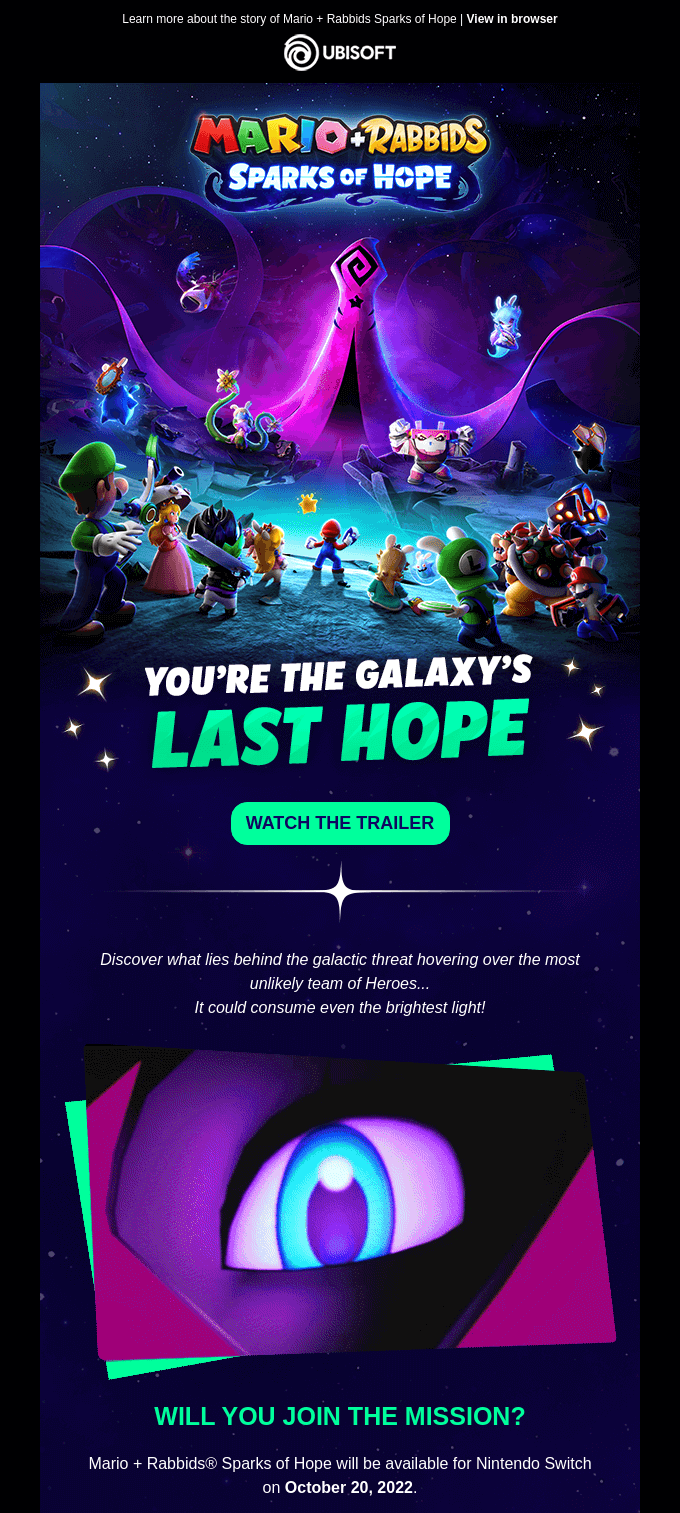
Use high-quality images and graphics that are relevant to your message. Avoid clutter and maintain a clean layout. Visuals should enhance the email's content, not overwhelm it.
3. Consistent Branding
Maintain consistent branding elements, including logo placement, color schemes, and fonts. A cohesive look reinforces your brand identity and builds trust with recipients.
4. Readable Fonts
Choose readable fonts and font sizes. Sans-serif fonts like Arial and Helvetica are generally preferred for digital communication. Ensure there's enough contrast between text and background colors.
5. White Space
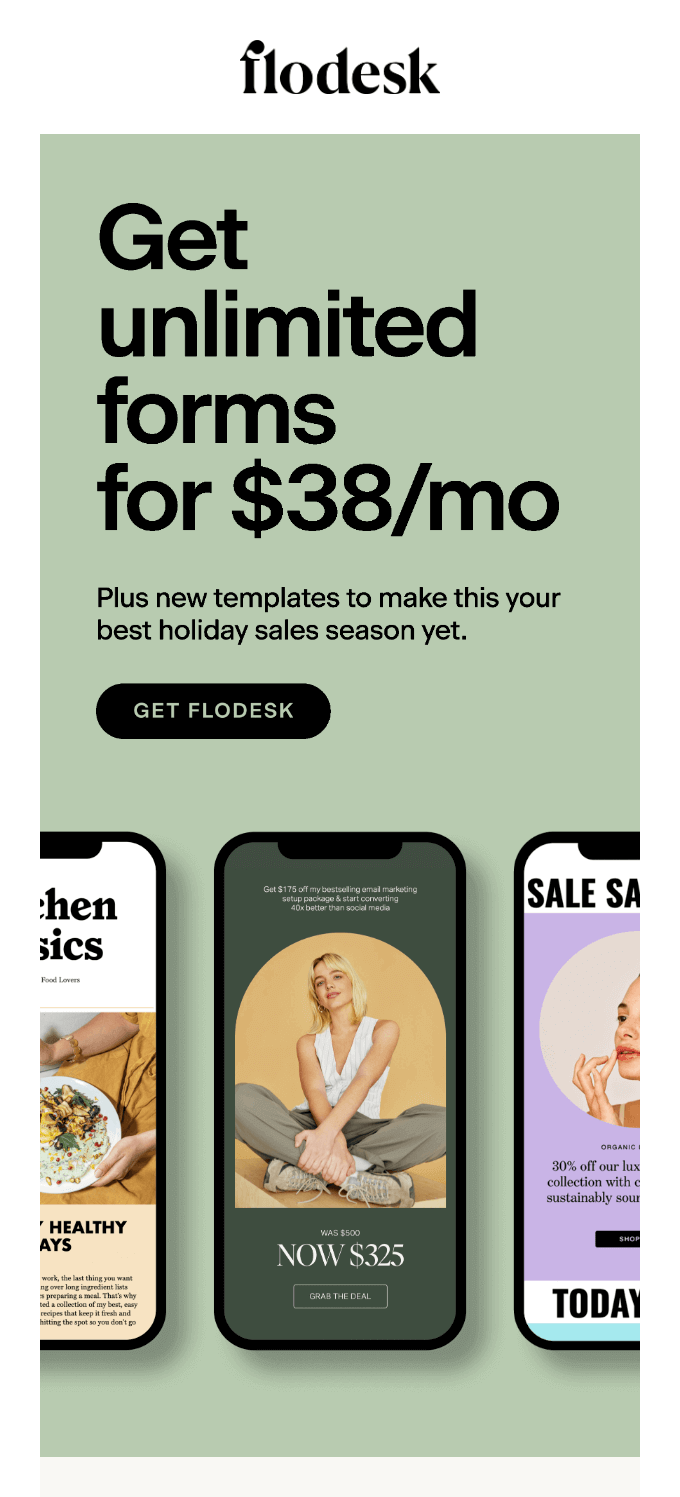
Use white space strategically to improve readability and create a balanced layout. Adequate spacing around text and images prevents a cluttered appearance.
6. Testing
Before sending your email campaign, thoroughly test your template across different email clients and devices. Testing helps ensure that your design renders correctly and that all links and CTAs function as intended.
Common Mistakes in Marketing Email Templates
To maximize the impact of your marketing email templates, it's crucial to be aware of common pitfalls to avoid:
1. Neglecting Mobile Optimization
Failure to ensure mobile responsiveness can result in a poor user experience and reduced engagement. Test your template across various devices to catch any issues.
2. Overwhelming with Content
Cluttered emails with excessive text and visuals can overwhelm recipients. Keep emails concise and focused on a single, clear message.
3. Ignoring Segmentation
Sending the same email template to your entire list may lead to irrelevant content for some recipients. Implement segmentation to tailor messages to different audience segments.
4. Skipping A/B Testing
Not testing different elements of your email template, such as subject lines, CTAs, or visuals, can lead to missed optimization opportunities. A/B testing helps identify what resonates best with your audience.
5. Neglecting Compliance
Ignoring email regulations, like the CAN-SPAM Act, can result in legal issues and damage your brand's reputation. Ensure your emails include an unsubscribe option and comply with relevant laws.
6. Forgetting the Follow-Up
Many marketers focus on the initial email but neglect follow-up emails, which can be equally important for nurturing leads and closing sales. Create a well-structured email sequence.
In conclusion, marketing email templates are versatile tools that can benefit businesses across industries. Crafting compelling copy and effective design is essential for success. Avoiding common mistakes ensures that your email campaigns are efficient and well-received. With the right approach, marketing email templates can be a driving force behind your marketing efforts, helping you engage your audience and achieve your business objectives.